My alarm goes off before 5 a.m. The house is dark, the kids are asleep, and I have about an hour before anyone needs me. That hour is the reason I've run the Boston Marathon three times, twice since becoming a dad.

When I had kids, I assumed my running would have to take a back seat. It didn't. What I learned instead is that consistency as a parent isn't about finding more time. It's about making the most of the time you have, and removing everything that stands between you and the door.
So, from one busy parent who loves to run to another, here are the 10 things that have kept me consistent, including how I stay safe running in the dark.
Quick answers for parent runners
- Run before the house wakes up. It's the only hour nobody else has a claim on, and a headlamp with a rear light makes it safe in the dark.
- Lay everything out the night before. The fewer decisions between the alarm and the door, the more often you go.
- Aim for consistent, not perfect. A missed run is nothing. A missed run that becomes a missed week is the problem.
01Aim for Consistent Training, Not Perfect Training
Your training doesn't need to be perfect, and as a parent, it never will be. Kids get sick, work runs late, plans change, and sometimes a scheduled run simply isn't going to happen.
But while your training may not always be perfect, it does need to be consistent if you want to improve. I always tell my athletes:
A mediocre training plan done consistently will always outperform the perfect training plan done inconsistently.
As a busy parent, don’t worry about checking every box on your training plan. Focus on showing up, putting in the work you can, and stringing together as many consistent days and weeks as possible. Over time, those small, imperfect efforts add up to big improvements.

02Run in the Dark Before Your Family Wakes Up
For me, this means waking up early, before work and before the kids are awake. It's almost never easy to roll out of bed before sunrise, but those early hours are the best time to run as a parent.
They give you something incredibly valuable: uninterrupted time to run without taking time away from your family. When you're chasing your own goals, the sacrifice should come from your time, not your family's. If that means giving up some sleep, it's a worthwhile trade. Your kids still get your time, attention, and presence.
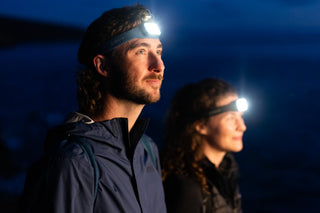
Of course, it also means I'm training in the dark for much of the year. I don't think I would have had the same running success since becoming a parent without a reliable, bright, and comfortable headlamp.
For the runners who ask what to look for: the BioLite Dash 450 running headlamp puts out 450 lumens and runs 3 hours on high, which covers almost any pre-dawn workout on a single charge. It weighs 78 grams, so it doesn't bounce, and it's IPX4-rated for rain. The feature I didn't know I needed until I started running roads in the dark is the rear red light. Drivers coming up behind you see you much sooner.
- 450 lmMax output
- 3 hrOn high (60 hr low)
- 78 gWeight
- IPX4Rain-rated
- Rear redDimmable light
It may not always be convenient, but sometimes the best time to run is when everyone else is sleeping.
How I Stay Safe Running in the Dark Before Sunrise
Running before sunrise means sharing the road with drivers who aren't expecting you, and here's part of what I do to stay safe:
- Run facing traffic when there's no sidewalk, so I can see what's coming.
- Match the beam to the route. Spot beam on unlit roads and trails, flood on lit streets, and the rear red light on every run.
- Wear something reflective on my shoes and a vest or band. Drivers notice movement first.
- Stick to routes I know from daylight runs. The dark is no time to explore.
- Tell my wife my route and when I'll be back, or share my live location.
- Keep my ears open. One earbud at most, or none.
- Slow down on uneven ground. Depth perception drops in a headlamp beam.
What to wear running in the dark
| Gear | Why it matters |
|---|---|
| Headlamp with a rear red light | Lights your path ahead and makes you visible from behind |
| Reflective vest or band | Catches headlights from any angle |
| Shoes with reflective details | Moving feet are one of the first things drivers notice |
| Clip-on stroller light | The stroller is out in front of you and needs its own light |
For more on staying safe after dark, including evening runs, read our night running safety tips.
03Buy Gear That Removes Barriers to Running
This one isn't realistic for everyone, and I want to be upfront about that. But investing in the right equipment has done more for my consistency than any training plan.
Here's what I've learned: you don't always need more motivation. You need fewer barriers. Every piece of gear worth buying removes a specific reason you'd otherwise skip.
| The barrier | What removes it | Roughly |
|---|---|---|
| It's dark before work | A running headlamp with a rear light | $70 |
| No childcare during the run | A running stroller | $300+ |
| I can't leave the house | A treadmill | $800+ |
| I talk myself out of it at 5 a.m. | Gear laid out the night before | Free |
A running stroller has been huge for me. Plenty of times, getting a run in meant bringing the kids along. It's not the same as a solo run, but it gets the miles done, and I get time with my kids.
A treadmill has been the biggest game changer, and the biggest investment. My wife often leaves for work before I do, which means some mornings I simply can't leave the house. Instead of skipping the workout, I jump on the treadmill.
If you're buying a headlamp specifically for running, it's worth knowing what to look for in a running headlamp before you buy. Brightness, fit, and a rear light matter far more than features you'll never use.
The goal isn't to have the best gear. It's to expand your opportunities to run.
04Build a Training Plan You Can Adapt
No training plan will ever be executed perfectly, and that's especially true when you're a parent. Kids get sick, which means you might get sick. Kids don't sleep, which means you don't sleep.
One of the most important parts of training as a parent is being willing to adapt:
- Create backup plans. Know your treadmill or stroller option before you need it.
- Move runs to different days rather than dropping them.
- Shorten a workout if you're pressed for time. Twenty minutes beats zero.
- Don't cram missed runs in at the expense of your family or recovery.
A missed run isn't going to derail your training. What derails it is letting one missed run turn into a missed week because you feel like you've already fallen off the plan.

05Talk to Your Partner About Your Training Schedule
As a parent, reaching your fitness goals is rarely a solo effort. Your partner's support makes a huge difference, so be clear about what you're working toward and why it matters to you.
Early-morning training protects most family time. But there will be days when a long run, a race, or a key workout cuts into it. Talk with your partner ahead of time about your schedule and the commitments that come with your goals, especially the long run, which is the hardest session to hide at 5 a.m.
Find ways to support each other, and make sure you both have room to pursue what matters to you. The goal isn't to choose fitness over family. It's to build a family routine that makes room for both.
06Set a Specific Running Goal, Not a Vague One
"Get in better shape" is a good intention, but it's not a very good goal.
Give yourself something specific to work toward: your first 5K, a marathon, a Boston qualifier, or simply keeping up with your kids without getting winded. Put a date on it if you can.
A specific goal gives your training purpose. It's what gets you out of bed on the mornings you don't feel like it, and as a parent, there are a lot of those.


07Lay Out Your Running Gear the Night Before
This is the simplest tip on the list, and the one I'd pick if I could only keep one.
When your alarm goes off at 5 a.m., you shouldn't have to make a dozen decisions before getting out the door. The fewer steps between waking up and starting your workout, the less opportunity you have to talk yourself out of it. Motivation is at its lowest in that first groggy minute. Don't ask it to do any work.
My night-before checklist
- Running clothes laid out, socks tucked in the shoes
- Shoes by the door you'll actually leave through
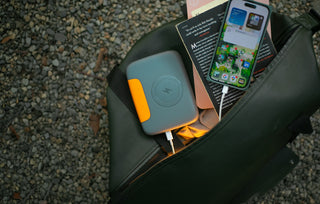
- Headlamp charged, rear light tested, on the counter (not in a drawer)
- Watch charged
- Water bottle filled
- Coffee ready to go
- Route decided, so you're not picking it half-awake
It takes five minutes the night before. It saves the run the next morning.
08Make Running Something Your Kids Join
Whenever possible, make fitness something your family does together.
Take your kids on a hike. Go for a bike ride. Push them in the stroller while you run. Play soccer in the backyard. Let them see you lifting weights or working out at home.
Your kids don't need you to be perfect. They need you to model healthy behaviors.


One of the greatest benefits of prioritizing fitness as a parent is that your kids grow up seeing movement as a normal and enjoyable part of life.
09Protect Sleep and Recovery While Training
When you're balancing parenting, work, and training, it's tempting to think more is always better.
It isn't. Sleep, nutrition, rest days, and recovery are all part of training. If you're constantly exhausted, adding workouts moves you further from your goals, not closer. Sometimes the most productive thing you can do for your fitness is get an extra hour of sleep.
That said, don't expect that one bad night means you get the next day off. Sometimes you'll train on little sleep, and occasionally that's fine. The goal is balance, not constantly redlining.
10Remember Why You Started Running
When motivation disappears, and it will, remember why you started.
Maybe it's a marathon. Maybe it's feeling confident in your body, or improving your health. Or maybe you just want to be the parent who can chase the kids around the backyard without needing a break.
Your goals are about more than a finish time or a personal record. Fitness gives you the ability to show up for your life.

You don't have to choose between being a great parent and pursuing your own goals. With some planning, flexibility, and consistency, you can do both.
Someday, your kids may not remember every workout you completed, but they'll remember the example you set.
Frequently Asked Questions
How do you find time to run with young kids?
Most parent runners find the time rather than make it, usually before the household wakes or after bedtime. Early morning is the most protected hour because nothing else competes for it. A running headlamp is what makes that hour usable for most of the year.
Is it safe to run before sunrise?
It is, with the right visibility gear. Run facing traffic, stick to routes you know, and wear a headlamp with a forward beam and a rear red light so drivers approaching from behind can see you. Reflective details on clothing and shoes add a second layer.
How many lumens do I need for running in the dark?
For most runners, 300 to 500 lumens covers road and trail running at pace. Lower output works on lit sidewalks; unlit roads and trails benefit from the upper end. The BioLite Dash 450 puts out 450 lumens with a spot beam that reaches 90 meters.
What should I wear running in the dark?
Wear something that lights your way and something that makes you visible. A headlamp with a rear red light covers both directions. Add reflective details on a vest, band, or shoes, since drivers notice moving feet and arms first. Bright colors help at dawn but do little in full darkness.
Headlamp or chest light for running?
A headlamp lights wherever you look, which helps on trails and at crossings. A chest light sits lower, so it casts longer shadows over bumps, and some runners find it steadier. For road running before sunrise, a light headlamp with a rear red light, like the Dash 450, covers most needs.
What should I do when I miss a week of training?
Start again where you are rather than trying to make up the missed miles. Cramming a week of runs into a few days raises injury risk and rarely recovers the fitness. One missed week costs very little; treating it as failure and stopping costs everything.

